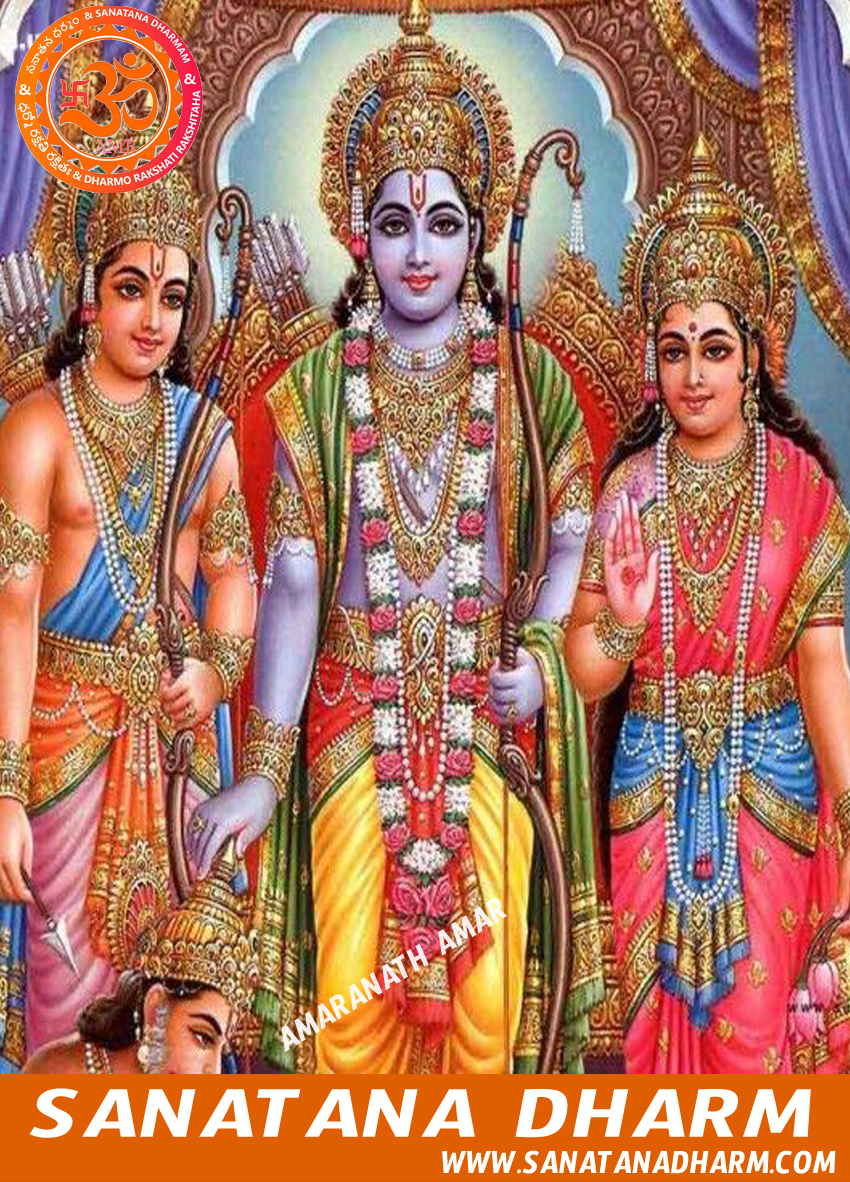
Thus directed by Rama, Hanuma the son of wind-god, entered deeply into the City of Lanka, being respectfully received by the demons.
हनुमान्, वायुपुत्र, इस प्रकार आज्ञा पाकर, निशाचरों (राक्षसों) द्वारा पूजित होते हुए लंकापुरी में प्रवेश कर गए।
That Hanuma, the monkey, known to Seetha, having entered the City of Lanka, seeking permission from Vibhishana, getting approval from him and entering Ashoka grove as per the prevailing regulation, saw at the foot of a tree, Seetha, who was bereft of freshness, looking joylessly like a frightened cow and surrounded with female-demons. Approaching her humbly by offering salutation to her in bending his head, he stood there silently.
हनुमान जी विभीषण की आज्ञा लेकर लंकापुरी में प्रवेश कर गए। वहाँ उन्होंने सीता जी को राक्षसों से घिरी हुई, चंद्रमा से रहित रोहिणी के समान दुखी देखा। वे चुपचाप, हाथ जोड़कर और विनम्रतापूर्वक सीता जी के पास जाकर उन्हें प्रणाम किया।
Yuddha Kanda – Sarga 113 · v3
दृष्ट्वा समागतं देवी हनूमन्तं महाबलम् |
तूष्णीमास्त तदा दृष्ट्वा स्मृत्वा हृष्टाभवत्तदा ||६-११३-५
Even after seeing the mighty Hanuma who came there, Seetha kept herself silent. Then, seeing and recollecting him, she became rejoiced.
देवी सीता ने महाबली हनुमान को आया हुआ देखकर, पहले तो वे चुप रहीं, फिर उन्हें देखकर वे प्रसन्न हो गईं।
Seeing her cool face, Hanuma the excellent monkey began to narrate the entire message of Rama.
हनुमान ने सीता का सौम्य मुख देखकर, श्री राम का सारा संदेश सुनाना शुरू किया।
"O Seetha! Rama is well, together with Sugreeva and Lakshmana, along with Vibhishana as his supporter and collectively with the army of monkeys."
वैदेही, राम, सुग्रीव, लक्ष्मण और विभीषण की सहायता से वानरों की सेना के साथ कुशल हैं।
"O the divine lady! Having destroyed his enemy, Rama the annihilator of his adversaries, having accomplished his object, is informing you about his welfare. Rama and Lakshmana, with the support of Vibhishana and the monkeys, killed the valiant Ravana."
यहाँ श्लोक का सरल हिंदी अनुवाद दिया गया है: शत्रुओं का नाश करने वाले, पराक्रमी सिद्धार्थ (राम) विभीषण और वानरों की सहायता से, लक्ष्मण की बुद्धिमत्ता और वीरता से रावण मारा गया।
"O the divine lady! I am telling a pleasant news and again eulogizing you. O Seetha, the knower of righteousness! Rama accomplished this great victory in the battle, because of your power. Be free from your grief and be comfortable."
हे देवी, मैं तुम्हें प्रिय समाचार सुनाता हूँ और तुम्हारा आदर करता हूँ। हे धर्मज्ञाता सीते, तुम्हारे प्रभाव से ही राम ने युद्ध में महान विजय प्राप्त की है। अब तुम स्वस्थ हो जाओ और चिंतामुक्त रहो।
"Ravana, the enemy was killed. Even the Lanka has been subdued. With a firm determination to win you back, by me who have had no sleep, a bridge has been constructed across the great ocean and this vow (of winning you back) has been fulfilled."
रावण नामक शत्रु मारा गया और लंका भी मेरे वश में हो गई। मैंने समुद्र पर सेतु बाँधकर, नींद न लेकर, तुम्हारी प्रतिज्ञा पूरी की है।
Yuddha Kanda – Sarga 113 · v9
संभ्रमश्च न कर्तव्यो वर्तन्त्या रावणालये ||६-११३-१२
विभीषणविधेयं हि लङ्कैश्वर्यमिदं कृतम् |
"You ought not to have any fear, living as you do in Ravana's abode. This kingdom of Lanka has now been placed indeed under the dominion ship of Vibhishana."
रावण के घर में घबराहट नहीं करनी चाहिए, क्योंकि यह लंका का ऐश्वर्य विभीषण के अधीन ही किया गया है।
"That is why, console yourself complacently. You are staying in your own house. This Vibhishana too is coming to you with a rejoice, as he is so eager to see you."
चिंता मत करो, तुम अपने घर में सुरक्षित हो। वह भी तुम्हें देखकर बहुत प्रसन्न होगा और तुमसे मिलने के लिए उत्सुक है।
Yuddha Kanda – Sarga 113 · v11
एवमुक्ता तु सा देवी सीता शशिनिभानना ||६-११३-१४
प्रहर्षेणावरुद्धा सा व्यहर्तुं न शशाक ह |
Hearing these words, that Seetha the divine lady, whose face resembled the moon, could not speak, tongue-tied as she was with a thrill of delight.
सीता, जिनका मुख चंद्रमा के समान उज्ज्वल था, देवी द्वारा ऐसा कहे जाने पर अत्यंत प्रसन्न हो गईं। वे इतनी हर्षित थीं कि कुछ बोल भी नहीं पा रही थीं।
Yuddha Kanda – Sarga 113 · v12
ततोऽब्रवीद्धरिवरः सीतामप्रतिजल्पतीम् ||६-११३-१५
किं त्वं चिन्तयसे देवि किं च मां नाभिभाषसे |
Thereupon, Hanuma spoke to Seetha, who was not making any answer (as follows): "O divine lady! What are you reflecting upon? Why don't you speak to me?"
तब हरि श्रेष्ठ (राम) ने सीता से कहा, जो कुछ भी नहीं बोल रही थीं। हे देवी, तुम क्या सोच रही हो और मुझसे क्यों नहीं बोल रही हो?
Thus asked by Hanuma, Seetha, who was ever established in a righteous path, was very much delighted and spoke (as follows) in a voice choked with tears.
हनुमान के ऐसा कहने पर, धर्म के मार्ग पर स्थित सीता जी ने अत्यंत प्रसन्न होकर, आँसुओं से भरी हुई वाणी में कहा।
"Hearing these pleasant tidings about the victory of my husband, I became speechless for a while, overpowered as I was, by extreme joy."
यह सुनकर कि मेरे पति विजयी हुए हैं, मैं अत्यंत प्रसन्न हो गई और क्षण भर के लिए बोल नहीं पाई।
Yuddha Kanda – Sarga 113 · v15
न हि पश्यामि सदृशं चिन्तयन्ती प्लवङ्गम ||६-११३-१८
मत्प्रियाख्यानकस्येह तव प्रत्यभिनन्दनम् |
"O, Hanuman! I indeed do not see any appropriate thing here, which pleases you in return, to offer you, who have announced these tidings pleasant to me, even after enervating my brain."
हे वानर, मैं तुम्हारे इस प्रिय कार्य के बदले में तुम्हें जो उचित लगे, वह देने के बारे में सोच रही हूँ, पर मुझे तुम्हारे जैसा कोई नहीं दिख रहा है।
Yuddha Kanda – Sarga 113 · v16
न च पश्यामि तत्सौम्य पृथिव्यामपि वानर ||६-११३-१९
सदृशं मत्प्रियाख्याने तव दातुं भवेत्समम् |
"Nor, do I perceive anything worthy for you on this earth for you act of conveying this agreeable news to me and on bestowing which on you, happiness may come to me."
हे सौम्य वानर, मैं पृथ्वी पर ऐसी कोई वस्तु नहीं देखता जो मेरी प्रियतमा के लिए तुम्हारे कथन के समान हो।
Yuddha Kanda – Sarga 113 · v17
हिरण्यं वा सुवर्णं वा रत्नानि विविधानि च ||६-११३-२०
राज्यं वा त्रिषु लोकेषु नैतदर्हति भाषितुम् |
"Neither silver, nor gold nor even diamonds nor the sovereignty of the three worlds, can be worthy of this message."
सोना, चाँदी या अनेक प्रकार के रत्न, अथवा तीनों लोकों का राज्य भी, इस (सत्य) के बराबर नहीं हो सकता।
Hearing the words of Seetha, Hanuma standing with his face turned towards Seetha and with his hands joined in salutation, joyfully replied as follows:
सीता के ऐसा कहने पर हनुमान जी ने हाथ जोड़कर उनके सामने खड़े होकर यह उत्तर दिया।
"O faultless lady, interested in things agreeable and beneficial to husband and wishing for his victory! You alone deserve to speak such words filled with affection."
हे पति के हित में लगी हुई और पति की विजय चाहने वाली! तुम्हारे जैसे स्नेहपूर्ण व्यक्ति के लिए ही ऐसे वचन कहना उचित है।
Yuddha Kanda – Sarga 113 · v20
तवैतद्वचनं सौम्ये सारवत्स्निग्धमेव च ||६-११३-२३
रत्नौघाद्विविधाच्चापि देवराज्याद्विशिष्यते |
"O gentle lady! These words of yours, endowed with preciousness and affection, are better than various kinds of collection of diamonds or the sovereignty over the celestials."
हे सौम्ये, तुम्हारा यह वचन सारगर्भित और स्नेहपूर्ण है। यह अनेक रत्नों और देवराज इंद्र के राज्य से भी श्रेष्ठ है।
"I see Rama victorious and happy, he having killed the enemies and having obtained victory. That is to say, I have attained the blessing like the sovereignty over the celestials and other good qualities."
अर्थतश्च मया प्राप्ता देवराज्यादयो गुणाः ||६-११३-२४
हतशत्रुं विजयिनं रामं पश्यामि यत्स्थितम् |
**सरल हिंदी अनुवाद:** मैंने धन-संपत्ति और देवताओं के समान राज्य आदि गुण प्राप्त किए हैं। मैं शत्रु को मारकर विजयी हुए राम को देखता हूँ, जो इस स्थिति में विराजमान हैं।
Hearing those words of Hanuma, Seetha the daughter of Janaka thereupon spoke the following auspicious words to Hanuma.
सीता ने पवनपुत्र हनुमान की वह बात सुनकर, उनसे और भी मधुर वचन कहे।
"You alone can utter these words, endowed with exceedingly good attributes, embellished with a grace of style and filled with an intelligence, consisting of eight excellences.*"
हे मित्र, तुम ही इन गुणों से युक्त होकर इन बातों को कहने के योग्य हो।
"You are a praiseworthy and supremely virtuous son of the wind-god. Numerous good qualities are there in you along (as follows, along with others): strength, valour, knowledge of scriptures, vigour, prowess, superlative skill (in action), spirit, forbearance, firmness, stability and re is no humility. There is no doubt about it."
हे वायुपुत्र, तुम अत्यंत धर्मात्मा हो। तुम्हारी वीरता, ज्ञान, बल, पराक्रम, निपुणता, तेज, क्षमा, धैर्य और स्थिरता प्रशंसनीय हैं, इसमें कोई संदेह नहीं है।
Yuddha Kanda – Sarga 113 · v25
अथोवाच पुनः सीतामसंभ्रातो विनीतवत् ||६-११३-२९
प्रगृहीताञ्जलिर्हर्षात् सीतायाः प्रमुखे स्थितः |
Thereafter, having joined his hands together in salutation, standing in front of Seetha in humility and free from flurry, Hanuma again spoke to Seetha (as follows):
तब विनीत भाव से, बिना घबराए, हाथ जोड़कर, हर्षित होकर हनुमान जी सीता जी के सामने खड़े हुए और बोले।
Yuddha Kanda – Sarga 113 · v26
इमास्तु खलु राक्षस्यो यदि त्वमनुमन्यसे ||६-११३-३०
हन्तुमिच्छामि ताः सर्वा याभिस्त्वं तर्जिता पुरा |
"If you permit me, I wish to kill of all these notorious female-demons, by whom you have been frightened earlier."
ये स्त्रियाँ वास्तव में राक्षसी हैं, यदि तुम भी ऐसा मानते हो। मैं उन सबको मारना चाहता हूँ, जिन्होंने तुम्हें पहले डराया था।
"These cruel female-demons of terrific form and behavior, with still more cruel eyes, having ugly faces, were heard by me here speaking again and again harsh words to you, who are so devoted to your husband, at Ravana's command, when you were suffering hardships in the Ashoka grove, O divine lady!"
हे देवी, मैं अशोक वाटिका में आई हुई, पति के वियोग से दुखी और भयानक रूप वाली क्रूर राक्षसों के बारे में सुन चुकी हूँ, जो रावण के आदेश पर कठोर वचनों से मुझे सताती हैं।
"I wish to kill with various kinds of strokes, these cruel, extremely rough and deformed female-demons, with distorted features and terrific hairs and eyes, talking together roughly. (Pray) grant this boon to me."
यह श्लोक रामायण के सुंदरकांड से है। इसका सरल हिंदी अनुवाद इस प्रकार है: "भयंकर रूप वाली, क्रूर नेत्रों वाली ये राक्षसी अत्यंत दारुण हैं। मैं चाहता हूँ कि मुझे वरदान मिले कि मैं इन्हें विविध प्रकार से मार सकूँ।"
"I wish to kill the female-demons, who have spoken harsh words to you and wronged you, striking them down with my fists, hand-blows, long arms, blows of my shanks and knees, by causing pain to their teeth, biting off their ears and nose and pulling out their hair, making them severely dry-mouthed, tearing them off, leaping over them, encountering them and throwing down their bodies, with their burst cheeks, necks, shoulders and ribs."
मुट्ठियों, हाथों, सुंदर चरणों, जंघाओं, घुटनों के प्रहारों और दाँतों से पीसकर, कानों और नाक को खाकर, बालों को नोचकर, तथा भयंकर लातें मारकर, टूटी हुई गर्दन, कंधे और बगल वाले शरीरों से गिराकर, मैं तुम्हें प्रिय न करने वाली को मारना चाहता हूँ।
Yuddha Kanda – Sarga 113 · v30
एवम्प्रकारैर्बहुभिर्विप्रकारैर्यशस्विनि |
घातये तीव्ररूपाभिर्याभिस्त्वं तर्जिता पुरा ||६-११३-३८
"O illustrious lady! Striking them with several blows in this way, I would destroy the female-demons of terrible form, by whom you have been threatened in the past."
हे यशस्वी देवी, तुमने पहले जिन तीव्र रूप वाली शक्तियों से मुझे डराया था, उन अनेक प्रकार के छल-कपट से मेरा वध कर दिया।
Yuddha Kanda – Sarga 113 · v31
इत्युक्ता सा हनुमता कृपणा दीनवत्सला |
हनुमन्तमुवाचेदं चिन्तयित्वा मिमृश्य च ||६-११३-३९
Reflecting as pondering for a while, when spoke thus by Hanuma, the compassionate Seetha, who was kind to the miserable, spoke to Hanuma as follows:
यह सुनकर, करुणा और दीन-दुखियों पर स्नेह रखने वाली सीताजी ने हनुमानजी से कहा। उन्होंने कुछ सोच-विचार कर हनुमानजी से यह बात कही।
Yuddha Kanda – Sarga 113 · v32
राजसंश्रयवश्यानां कुर्वतीनां पराज्ञया |
विधेयानां च दासीनां कः कुप्येद्वानरोत्तम ||६-११३-४०
"O the foremost of monkey! Who will be angry with servant-maids, who are dependent on their king's command and work in obedience to the orders of others?"
राजकीय आश्रय में रहने वाले, दूसरों के आदेशों का पालन करने वाले और दासता में जीवन बिताने वाले उत्तम वानरों पर कौन क्रोधित हो सकता है? वे तो स्वयं ही विवश हैं।
Yuddha Kanda – Sarga 113 · v33
भाग्यवैषम्य योगेन पुरा दुश्चरितेन च |
मयैतेत्प्राप्यते सर्वं स्वकृतं ह्युपभुज्यते ||६-११३-४१
"All this is reaped by me, as a consequence of my bad fortune or an account of a misdeed committed by me in the past. The fruit of one's own making is indeed experienced (in one's life)."
यह सब मेरे पिछले कर्मों के कारण हुआ है, जो भाग्य के उतार-चढ़ाव और मेरे द्वारा किए गए बुरे कर्मों का परिणाम है। मैं अपने कर्मों का फल भोग रहा हूँ।
"O the great-armed Hanuma! Do not speak like this. This is indeed a great divine strategy. It was ordained that this type of situation is to be obtained by me, due to the application of fate. Feeble as I am in these matters, I am forgiving the servant-maids of Ravana here."
हे महाबाहो, ऐसा मत कहो। यह दैवी (दिव्य) गति है, जो निश्चित रूप से मुझे प्राप्त होगी। मैं दुर्बल दासों (रावण के सैनिकों) को क्षमा कर दूंगा।
"O Hanuma! As commanded by Ravana the threatened me. As he is dead now, they will not do the threatening."
रावण के आदेश पर इन राक्षसों ने मुझे डराया। यदि वह मारा गया होता, तो हे वानर श्रेष्ठ, वे मुझे धमकाते नहीं।
"O Hanuma! There is an old axim possessed of merit, actually uttered by a bear in the presence of a tiger. Hear it from me."
यह श्लोक एक पुराने धर्मग्रंथ से लिया गया है, जिसे भालू ने गाया था। हे बंदर, इसे ध्यान से सुनो।
Yuddha Kanda – Sarga 113 · v37
न परः पापमादत्ते परेषां पापकर्मणाम् ||६-११३-४५
समयो रक्षितव्यस्तु सन्तश्चारित्रभूषणाः |
"A superior person does not take into account the sin of those who have committed an offence evil for evil must be carried out at all costs virtuous persons account good conduct as an ornament."
दूसरा व्यक्ति किसी के पाप कर्मों का फल नहीं भोगता। समय का पालन करना चाहिए, क्योंकि सज्जन चरित्र से ही सुशोभित होते हैं।
Yuddha Kanda – Sarga 113 · v38
पापानां वा शुभानां वा वधार्हाणां प्लवङ्गम ||६-११३-४६
कार्यं कारुण्यमार्येण न कश्चिन्नापराध्यति |
"Kindness is to be shown by a noble person either towards a sinner or to a virtuous person or even to a person who deserves death, for, there is none who never commits a wrong."
पापों या शुभ कर्मों को करने वाले, वध के योग्य प्राणियों पर भी सज्जन को दया करनी चाहिए, क्योंकि कोई भी ऐसा नहीं है जो कभी गलती न करे।
"No evil is to be done, even to those cruel persons of sinful deeds, who take pleasure to harm the life of others and continue to perpetrate their sinful acts."
जो लोक-संहार और अनिष्ट करने वाले, इच्छानुसार रूप बदलने वाले राक्षसों के साथ भी रहते हैं, उन्हें भी कोई अनुचित कार्य नहीं करना चाहिए।
Hearing the words of Seetha, Hanuma who was skilled in speech, then replied to the faultless Seetha, Rama's consort (as follows):
हनुमान, जो वाक्पटु थे, ऐसा सुनकर, राम की पत्नी, यशस्वी सीता से बोले।
"O divine lady! You are the apt wife of Rama, full of virtue. Give me a message in return. I will go to the place where Rama is."
यह श्लोक रामायण के सुंदरकांड से लिया गया है। इसका सरल हिंदी अनुवाद इस प्रकार है: "यशस्विनी धर्मपत्नी सीता जी राम की ही हैं। हे देवी, मुझे वहीं जाने का आदेश दें जहाँ राघव (राम) गए हैं।"
Thus spoken by Hanuma, that Seetha the daughter of Janaka spoke as follows: "O the foremost of monkeys! I long to see my husband."
हनुमान द्वारा इस प्रकार कहे जाने पर, जनकपुत्री वैदेही (सीता) ने कहा, "हे वानरश्रेष्ठ, मैं अपने स्वामी (राम) को देखना चाहती हूँ।"
Hearing those words of Seetha, the highly intelligent Hanuma, the son of wind-god, bringing delight to Seetha, spoke the following words:
हनुमान ने सीता के वचन सुनकर, उन्हें प्रसन्न करते हुए यह कहा।
"You shall see today, Rama whose countenance is like a full moon, whose friends (like Sugreeva and Vibhishana) are alive, whose enemies have been killed along with Lakshmana, as Shachi (the consort of Indra) would see Indra the lord of gods."
हे आर्य, तुम लक्ष्मण सहित पूर्ण चन्द्रमा के समान मुख वाले राम को देखोगे। वे स्थिर मित्र और शत्रुओं का नाश करने वाले हैं, जैसे इन्द्र अपनी पत्नी शची के साथ रहते हैं।
Thus speaking to that Seetha, who appeared radiant before his eyes as Lakshmi the goddess of prosperity, Hanuma of great splendor, came to the place where Rama was.
हनुमान, जो अत्यंत वेगवान थे, वहाँ गए जहाँ राजा राम थे, और उन्होंने सीता से वैसे ही बात की जैसे लक्ष्मी स्वयं बोल रही हों।
Then, Hanuma the excellent of monkeys speedily narrated, in order of sequence, the message given by Seetha, to Rama who was equal to Indra the chief of celestials.
हनुमान जी ने तुरंत ही राजा जनक की पुत्री (सीता) के कहे हुए वचनों का क्रम से श्री रामचन्द्र जी से वर्णन किया, जो देवताओं में श्रेष्ठ थे।